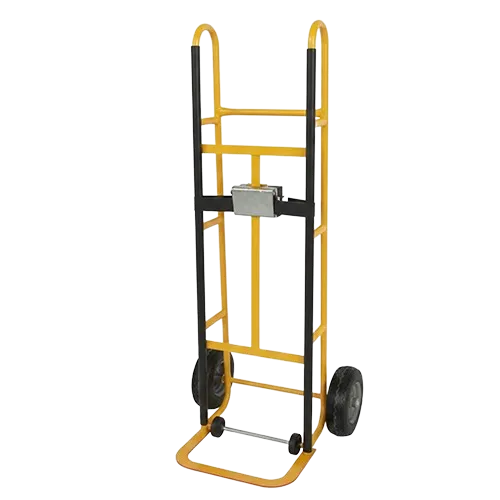
Introduction: The Tool You Ignore Until It Breaks You
Picture this: You’re pushing a $50,000 load of precision electronics, rushing to meet a departing container. Suddenly, the front-left wheel seizes without warning. The entire trolley veers, tips, and slams into the concrete. The cargo is shattered; your ankle is pinned under the steel frame.
The culprit? Not a manufacturing defect. Not a freak accident. It was a six-inch piece of plastic stretch film that got wrapped around the axle three months ago and was never cleared.
In the warehouse, the hand trolley is the most ignored workhorse. You think it’s just steel tubes and four wheels that don’t need attention. But as a 20-year floor veteran, I’m telling you: 5 minutes of maintenance saves you 5 hours of downtime and potentially a career-ending injury. This Maintenance Guide for Warehouse Hand Trolleys isn’t textbook theory; it’s the reality of the floor.
Section 1: The #1 Killers of a Good Trolley
Most guys think a trolley fails because it was “cheap.” In my experience, 90% of destruction comes from these three silent killers:
Killer #1: Stretch Film & Rope (The Silent Strangler)
This is the undisputed #1 killer in any warehouse. Scraps of pallet wrap or twine fall on the floor and get sucked into the wheel assembly. It doesn’t stop the wheel immediately; instead, it acts like a garrote, tightening around the axle and squeezing out the grease.
- The Consequence: Friction creates heat, the bearing balls deform, and eventually, the whole thing seizes. By the time you “feel” the resistance, the bearing is already toast. You’re not just looking at a repair; you’re looking at a full wheel replacement.
Killer #2: Overloading (The “Looks Fine” Trap)
“Just one more crate, the frame isn’t bending yet.” That’s the most dangerous sentence in the bay. Steel has a memory, and stress is cumulative.
- The Consequence: Micro-cracks spread across the welds where you can’t see them. One day, while carrying a standard load over a small bump, the weld snaps like glass. A tipped load and a crushed foot happen in less than a second.
Killer #3: Floor Debris (The Tread Shredder)
Pallet splinters, loose bolts, and cracked concrete.
- The Consequence: Wood shards get embedded in rubber treads, increasing rolling resistance. Metal debris chips the wheel hubs. Every bump over cracked concrete sends a shockwave through the frame joints, slowly shaking the trolley to pieces.
Section 2: The “Listen & Push” 60-Second Pre-Shift Check
Before you start your shift, do these two things. It takes one minute and could save your life.
1. Listen First
- Squealing: The bearings are bone-dry. They need grease NOW.
- Metal Grinding: There’s a physical obstruction or a bent bracket. Stop using it immediately.
- Rhythmic “Clunking”: You’ve got a “flat spot” on the wheel or a large piece of debris embedded in the tread.
2. Push It Straight
Deck Flex: Check the reinforcement ribs underneath; you likely have a failing weld.
The Drift: If the trolley veers left or right, one wheel is seized or the frame is warped from uneven loading.
The Jammed Swivel: If the swivel plate won’t rotate, it’s rusted or packed with dirt. Forcing it will make cornering feel like a wrestling match.
The Handle Wobble: Loose bolts. A wobbling handle creates massive leverage that will eventually rip the bolt holes open or snap the frame welds.
Section 3: Three Repair Moves That Actually Matter
Forget complex manuals. In a real warehouse, you only need these three moves:
Move A: The Wheel & Bearing Cleanup
- Tools: A metal hook, an awl, or a flat-head screwdriver.
- The Action: Flip the trolley on its side. Dig out EVERY bit of film, hair, and string from the inside of the wheel. Once clear, apply white lithium grease.
- Old Chief’s Warning: WD-40 IS NOT GREASE! Rookies love spraying WD-40 into bearings. It feels smooth for 5 minutes, but it actually washes away the real grease. Once it evaporates, the bearing runs dry and dies faster. Use WD-40 only to loosen rusted bolts.
Move B: Handle & Frame Bolt Tightening
Loose bolts don’t just wobble; they cause “stress concentration” that cracks metal.
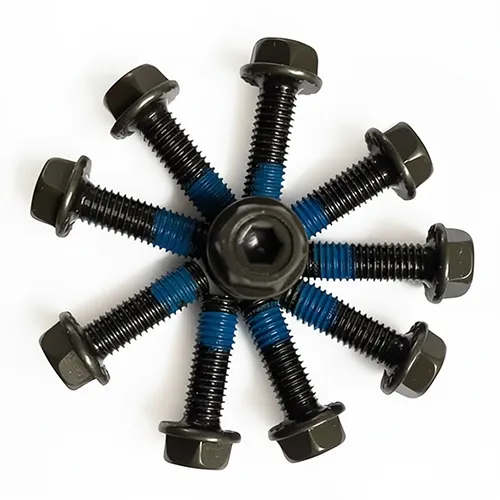
- The Action: Use the correct-sized spanner. Avoid loose adjustable wrenches that round off the bolt heads.
- Pro Tip: If a hole is stripped, don’t just tighten it harder. Use a locking washer or move to a slightly larger bolt.
Move C: Platform Deck Cleaning
Oil spills and tape residue make the deck as slippery as an ice rink.
- The Action: Use a plastic scraper for old tape and a citrus-based degreaser for oil.
- Old Chief’s Wisdom: Peel tape off while it’s fresh. Tape that has been baked on and crushed by 500lb loads for a month will take ten times longer to remove and will strip the protective coating off the metal.
Section 4: The 5-Tool Kit Every Bay Needs
Don’t go hunting for tools. Every team should have these five items in a dedicated drawer:
- Combination Spanners (10–19mm): Fits 95% of trolley bolts. Throw away the heavy adjustable wrench.
- Metal Hook / Awl: Dedicated for removing wrap-around debris. Hang one in every bay. No excuses.
- White Lithium Grease: The real lubricant for bearings. It stays where you put it.
- WD-40: For loosening rusted bolts ONLY, not for lubrication.
- Plastic Scraper + Citrus Degreaser: For keeping the deck clean without damaging the paint.
Core Rule: Never use brute force where a tool should do the job.
Section 5: Repair It or Retire It? The Hard Call
A trolley isn’t a family heirloom. Sometimes, using it is a death wish.
Retire it immediately (No debate):
- Cracked Welds: Any split on a main frame joint. Don’t try to “patch” it with a hobby welder; it won’t hold.
- Bent Wheel Brackets: If the bracket is twisted, the wheel is no longer vertical. The resistance will be massive.
- Buckled Deck: The structural integrity is gone. It could collapse at any moment.
Do the Math:
- If the repair cost is > 50% of a new trolley, buy a new one.
- If you are replacing wheels on the same trolley more than once a year, the frame is likely warped. No amount of new wheels will fix a crooked frame.
- The Bottom Line: A $150 trolley is never worth a $150,000 workers’ comp claim. Don’t risk a hand or a foot to save a few bucks.
Section 6: The Old Crew Chief’s Last Word
Listen up: The hero of the warehouse isn’t the guy who pushes the heaviest load; it’s the guy whose equipment is still working perfectly at the end of the year.
Build these four habits into every shift:
- Start of Shift: Listen and Push. If it’s broken, tag it out. Don’t wait until it’s loaded.
- End of Shift: Spend 30 seconds clearing film from the wheels. Don’t leave it for the next guy.
- Weekly: Hand-spin all wheels. If they feel rough, grease them on the spot.
- Monthly: Full fleet bolt check. Log it. Sign off on it.
The question isn’t whether your trolleys need maintenance. It’s whether you’ll do it before or after something breaks.
Now, grab your hook and go check those wheels.