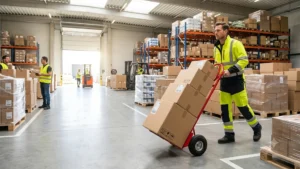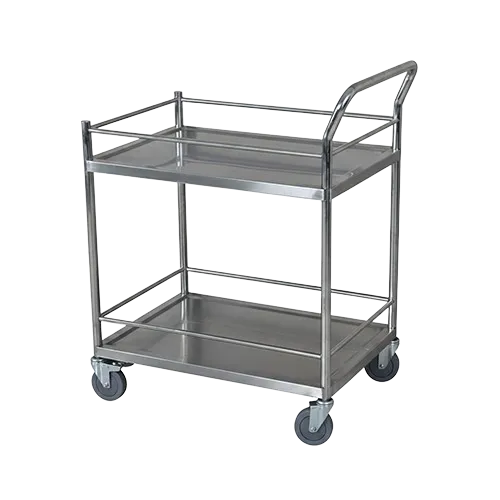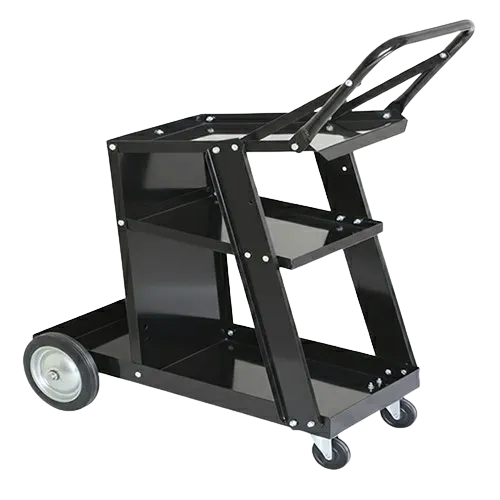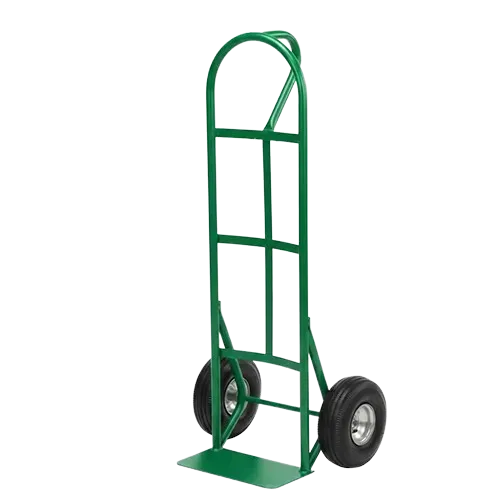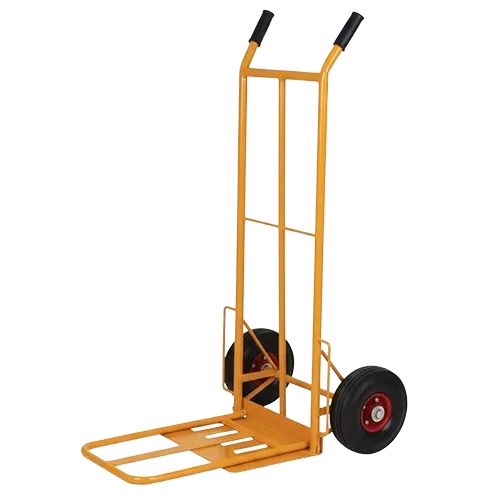
Every modern warehouse operates differently. An e-commerce fulfillment center sorting small cardboard boxes has completely different workflow needs than an automotive parts distributor moving heavy, oily metal gears.
When you force your workers to use generic, one-size-fits-all equipment for specialized tasks, you lose money. Goods get damaged, workers get tired, and loading times slow down.
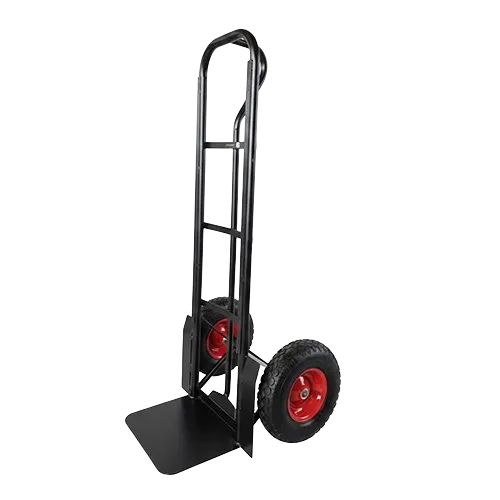
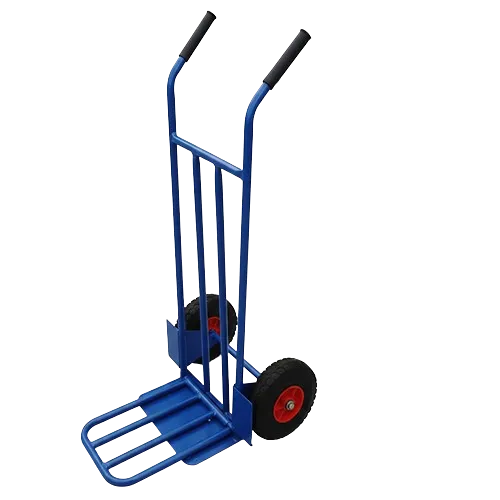
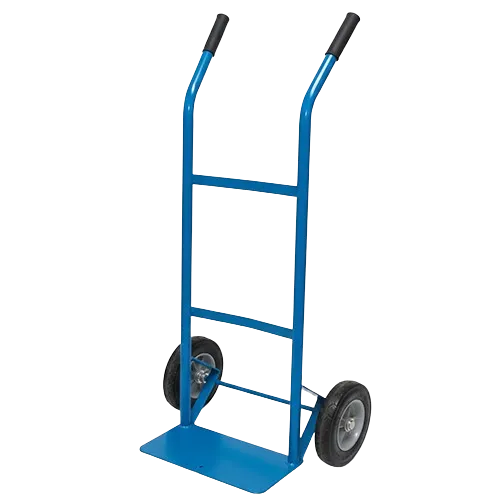
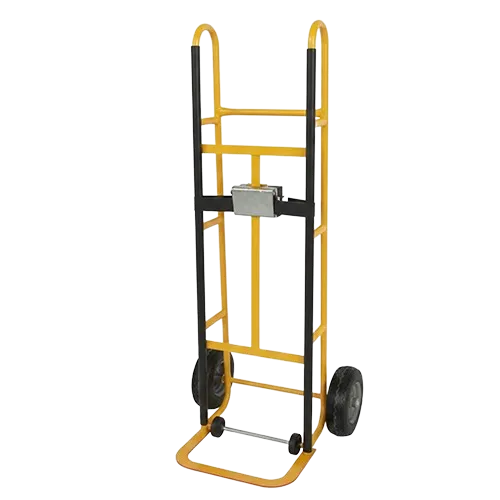
The most effective way to eliminate these bottlenecks is by upgrading to bespoke material handling carts. By engineering equipment tailored exactly to your aisle widths, cargo shapes, and floor conditions, you instantly improve your daily output.
In this technical guide, we will break down the exact engineering phases of designing custom carts. We will show you how to select the right materials, avoid common design mistakes, and order in bulk directly from the manufacturer to save money.
The Problem: Generic vs. Custom Solutions
Why spend time designing custom equipment when you can just buy standard carts off a shelf? Let us look at the financial and operational differences.
| Operational Factor | Standard Off-the-Shelf Carts | Bespoke Material Handling Carts |
| Cargo Fit | Poor. Items may hang off the edges, risking drops. | Perfect. Frame and toe plate match the cargo footprint. |
| Aisle Navigation | Difficult. Often too wide for high-density racking. | Smooth. Designed to turn easily within your specific aisle width. |
| Worker Fatigue | High. Pushing poorly balanced loads strains the lower back. | Low. Center of gravity is engineered to balance the specific load. |
| Long-Term ROI | Low. Frames bend and wheels break under unexpected use. | High. Built with specific steel gauge for your exact weight class. |
When you manage a large-scale distribution center, efficiency is everything. Upgrading to bespoke material handling carts is not an expense; it is a direct investment in your facility’s daily speed.
Phase 1: Dimension Profiling and Space Planning
The first step in designing bespoke material handling carts is measuring your physical environment. A cart is only useful if it can move freely through your building.
You need to provide your factory engineer with three key measurements:
- Choke Points: What is the narrowest door, aisle, or elevator the cart must pass through?
- Turning Radius: If the cart is fully loaded, how much space does the worker need to turn it 180 degrees at the end of an aisle?
- Cargo Profile: Are you moving tall, lightweight items (like pillows), or short, extremely heavy items (like car batteries)?
💡 Engineering Insight: The Why
Why do we ask for the Cargo Profile first?
If you are moving tall, light items, we need to design an extended back-frame to prevent the boxes from falling backward onto the operator. If you are moving short, heavy items, we keep the back-frame low but reinforce the bottom plate with thick steel gussets. Matching the frame to the cargo profile prevents workplace injuries and protects your goods.
Phase 2: Material Selection and Payload Capacity
Once the dimensions are set, you must choose the right skeleton for your carts.
For commercial warehouses, you generally choose between two materials:
- High-Tensile Carbon Steel: The industry standard. It is heavy, incredibly strong, and cost-effective. Best for moving machine parts, liquids, and heavy industrial goods.
- Extruded Aluminum: Lighter and naturally rust-resistant. Best for clean environments, food distribution, or when delivery drivers need to lift the empty cart into a delivery van frequently.
When specifying payload capacity, never guess. If your maximum daily load is 200kg, you should ask the factory to engineer the cart for a 250kg Safe Working Load (SWL). This 20% safety margin guarantees the frame will never warp under continuous, high-frequency commercial use.
Phase 3: The Wheel Selection Matrix
Many buyers spend hours worrying about the steel frame but completely ignore the wheels. In the world of bespoke material handling carts, the wheels are the most critical component. The wrong wheels will destroy your warehouse floors and exhaust your workers.
Use this simple selection matrix to choose the right setup for your facility:
| Floor Condition | Recommended Wheel Type | Key Advantage |
| Smooth Indoor Concrete | TPR (Thermoplastic Rubber) | Leaves no black marks, rolls silently, highly responsive. |
| Outdoor Gravel / Dirt | 10″ Pneumatic (Air-Filled) | Maximum shock absorption, easily rolls over rocks and bumps. |
| Factory Floors with Metal Debris | PU (Polyurethane) Solid Foam | 100% Puncture-proof. Never goes flat if it rolls over a nail. |
| Heavy Industrial / Wet Floors | Nylon / Cast Iron Core | Incredible weight capacity, resists chemical and oil spills. |
💡 Engineering Insight: The Why
Why do we always specify “Sealed Precision Bearings” for wholesale orders?
A wheel is only as good as its bearing. Cheap carts use open bearings. Within a month, warehouse dust and floor dirt get inside the bearing, grinding the steel balls until the wheel stops turning. Sealed bearings lock dirt out and keep grease in. It adds a small amount to the manufacturing cost but extends the lifespan of your custom carts by years.
Phase 4: Ocean Freight and SKD Packaging
If you are sourcing your bespoke material handling carts from a Chinese manufacturer, you must consider the logistics. Designing the perfect cart is useless if the ocean shipping costs are too high.
A professional direct factory will not ship custom carts fully assembled. Instead, they will design the cart using a Semi-Knocked Down (SKD) packing method.
In an SKD design, the main frame, the base plate, and the wheels are packed flat.
💡 Engineering Insight: The Why
Why is SKD packing the secret to high B2B profit margins? Ocean freight charges you for space, not just weight. Fully assembled carts waste a massive amount of empty space inside a shipping container. By engineering the custom carts to be flat-packed (SKD), we can load up to 1,500 units into a single 40’HQ container, compared to only 400 assembled units. This mathematical difference drastically lowers your landed cost per unit, making your custom project highly profitable.
How to Start Your Custom Project
Upgrading your warehouse equipment does not have to be a complicated process. Working with a direct, experienced manufacturer makes it simple.
Here is how our factory handles custom orders for global B2B clients:
- Consultation: You tell us your specific cargo size, floor type, and required payload.
- 3D CAD Modeling: Our engineers create a 3D blueprint of your bespoke material handling carts for your approval.
- Prototyping: We build a physical sample, perform destructive load testing, and send you the video proof (or ship the sample to your desk).
- Mass Production & SKD Packing: We manufacture your bulk order, pack it tightly to save you ocean freight money, and ship it to your local port.
Stop trying to force generic carts to do specialized jobs. Increase your warehouse sorting speed, protect your workers, and lower your equipment replacement costs by switching to purpose-built solutions.
👉 Click Here to Contact Our Engineering Team and Start Designing Your Custom Fleet Today
Your warehouse is unique. Your material handling equipment should be too.